Mukteshwar Temple

About

Mukteshwar Temple (Juhu), also known as Shree Mukteshwar Devalaya, is one of the spiritually important Lord Shiva temples in the Juhu and Vile Parle area of Mumbai. It has served as a place of worship for local devotees for several decades and continues to attract visitors seeking peace and spiritual connection.

  • ๐Ÿ•‰๏ธ Dedicated to Lord Shiva, worshipped here as Mukteshwar Mahadev

  • ๐Ÿข Seven-storey vertical temple structure designed for urban surroundings

  • ๐Ÿ™ Houses more than a hundred idols across multiple floors

  • ๐Ÿ”ฑ Prominent Shiva lingam placed at the main sanctum

  • ๐Ÿ“ Located directly opposite ISKCON Temple, Juhu

  • ๐Ÿงผ Maintained in a clean and organised manner

  • ๐Ÿ‘ฃ Welcomes both daily worshippers and tourists

The temple’s vertical layout allows devotees to move floor by floor, experiencing different shrines and deities. Despite its compact footprint, Mukteshwar Temple feels spiritually expansive and calm. The steady flow of devotees, soft chants, and incense-filled interiors create a soothing environment that contrasts with the fast-paced life outside.

Mukteshwar Temple (Juhu) is not only a religious site but also a cultural landmark that reflects how traditional worship spaces adapt within a modern metropolitan city like Mumbai.

Mukteshwar Temple

History & Religious Significance

Mukteshwar Temple (Juhu) holds deep religious importance for devotees of Lord Shiva and has long been a part of the spiritual landscape of North Juhu. Officially known as Shree Mukteshwar Devalaya, the temple is believed to have been established as a local place of Shaivite worship many decades ago, serving residents of Juhu and Vile Parle.

The name “Mukteshwar” refers to Lord Shiva as the giver of moksha, or spiritual liberation. Devotees believe that sincere prayers offered at Mukteshwar Temple help in overcoming personal obstacles, inner fears, and karmic burdens. The temple follows traditional Shaivite practices, with regular abhishekam, aarti, and chanting of Shiva mantras.

  • ๐Ÿ•‰๏ธ Dedicated to Lord Shiva worshipped as Mukteshwar Mahadev

  • ๐Ÿ“œ Long-standing worship site for local communities

  • ๐Ÿ”ฑ Strong association with Shaivite traditions

  • ๐ŸŽ‰ Special significance during Shivratri celebrations

  • ๐Ÿ™ Daily rituals conducted in a traditional manner

Over time, as Juhu developed into a busy urban and residential area, the temple adapted by expanding vertically instead of horizontally. This transformation allowed Mukteshwar Temple to preserve its spiritual role while remaining accessible within Mumbai’s growing cityscape.

Mukteshwar Temple (Juhu) continues to function not just as a religious shrine but as a spiritual anchor for devotees seeking peace, devotion, and inner balance in the midst of city life.


Architecture & Vertical Design

Mukteshwar Temple (Juhu) is architecturally distinctive due to its rare seven-storey vertical design, a feature that sets it apart from traditional single-level temples. This unique structure reflects how sacred spaces in Mumbai adapt to limited land availability while preserving religious traditions.

Instead of spreading outward, the temple rises upward, with each floor dedicated to different deities and forms of worship. The compact exterior contrasts with the spiritually rich interiors, where devotional art, idols, and sacred symbols fill every level. The main sanctum houses a prominent Shiva lingam, which remains the central focus of the temple.

  • ๐Ÿข Seven-storey vertical temple structure

  • ๐Ÿ•‰๏ธ Multiple shrines arranged floor-wise

  • ๐Ÿ”ฑ Prominent Shiva lingam in the main sanctum

  • ๐ŸŽจ Simple exterior with devotional interiors

  • ๐Ÿ“ Efficient use of limited urban space

The design allows devotees to experience a gradual spiritual ascent as they move from one floor to another. Stairways connect the levels, guiding visitors through various shrines dedicated to Hindu deities. This vertical movement adds a symbolic dimension to the act of worship.

Mukteshwar Temple (Juhu) stands as an example of modern urban temple architecture, blending practicality with devotion. Its design demonstrates how faith-based spaces continue to thrive even within the constraints of a densely populated metropolitan environment.


Deities & Shrines Across Floors

Mukteshwar Temple (Juhu) is known for housing a large number of deities arranged thoughtfully across its seven floors. This vertical arrangement allows devotees to engage in a comprehensive spiritual journey as they move through different levels of worship within a single temple complex.

At the heart of the temple is the main sanctum dedicated to Lord Shiva, where a prominent Shiva lingam is worshipped as Mukteshwar Mahadev. Surrounding shrines and upper floors feature various Hindu deities, enabling devotees to offer prayers to multiple forms of the divine in one visit.

  • ๐Ÿ•‰๏ธ Main sanctum dedicated to Lord Shiva

  • ๐Ÿ”ฑ Prominent Shiva lingam as the primary object of worship

  • ๐Ÿ™ Multiple deities installed across different floors

  • ๐ŸŽจ Traditional idols placed in clean and devotional settings

  • ๐Ÿ‘ฃ Structured layout for smooth movement of devotees

Each floor offers a distinct spiritual experience, with shrines arranged to avoid overcrowding and maintain a peaceful atmosphere. Devotees often pause on each level to perform brief prayers before moving upward. The vertical progression through the floors symbolises a spiritual ascent, aligning physical movement with inner devotion.

Mukteshwar Temple (Juhu) allows visitors to experience diversity in Hindu worship while maintaining a strong Shaivite core. The presence of multiple shrines makes the temple inclusive and spiritually enriching for devotees of different traditions.

Rituals, Aarti & Festivals

Mukteshwar Temple (Juhu) follows traditional Hindu and Shaivite rituals that form the spiritual rhythm of daily life at the temple. Devotees visit throughout the day to offer prayers, perform abhishekam, and seek blessings from Lord Shiva worshipped as Mukteshwar Mahadev.

Daily worship includes regular aarti and chanting of Shiva mantras, creating a devotional atmosphere within the temple. The sound of bells, incense, and soft hymns enhances the sense of peace experienced by visitors. Rituals are conducted in a simple and disciplined manner, maintaining the sanctity of the space.

  • ๐Ÿ•‰๏ธ Daily aarti and Shiva mantra chanting

  • ๐Ÿ”ฑ Abhishekam performed by devotees

  • ๐Ÿ“… Special prayers on Mondays, considered sacred for Lord Shiva

  • ๐ŸŽ‰ Grand celebrations during Shivratri

  • ๐ŸŒ™ Increased footfall during Shravan month

During Maha Shivratri, Mukteshwar Temple (Juhu) becomes a focal point for devotees, with extended prayer hours and special offerings. The temple remains well-organised even during peak festivals, ensuring smooth darshan for visitors.

Festivals are observed with devotion rather than grandeur, preserving the temple’s calm character. These rituals strengthen the temple’s role as a spiritual refuge for both regular worshippers and first-time visitors seeking divine connection.


Visitor Experience

Mukteshwar Temple (Juhu) offers a peaceful and spiritually soothing experience for visitors, despite being located in a busy residential and commercial part of North Juhu. Many devotees and tourists describe the temple as a calm retreat from the surrounding city noise.

The temple is well-maintained, clean, and organised, making it comfortable for first-time visitors as well as regular worshippers. The vertical layout encourages slow movement, allowing devotees to spend time on each floor without feeling rushed. Soft devotional chants and the fragrance of incense enhance the overall ambience.

  • ๐Ÿง˜ Calm and quiet atmosphere inside the temple

  • ๐Ÿงผ Clean premises and orderly management

  • ๐Ÿ™ Easy darshan even during regular days

  • ๐Ÿ‘ฅ Respectful and devotional crowd

  • ๐Ÿ‘จ‍๐Ÿ‘ฉ‍๐Ÿ‘ง‍๐Ÿ‘ฆ Welcoming environment for all age groups

Visitors often appreciate how Mukteshwar Temple (Juhu) balances devotion with accessibility. Even during festivals and peak hours, the temple maintains discipline and flow, ensuring a pleasant experience.

For tourists exploring Juhu, the temple provides a meaningful spiritual stop that contrasts beautifully with nearby beaches, theatres, and cafes. Many visitors combine their temple visit with ISKCON Juhu or Juhu Beach, making it a well-rounded cultural and spiritual outing.


Best Time to Visit

Mukteshwar Temple (Juhu) can be visited throughout the year, as it remains open daily for devotees and visitors. However, certain periods offer a more comfortable and spiritually immersive experience depending on weather, crowd levels, and religious significance.

The most pleasant time to visit the temple is during the cooler months, when Mumbai’s climate is more comfortable for walking and temple exploration. Early mornings and evenings are especially peaceful, allowing devotees to pray without rush.

  • ๐ŸŒค๏ธ October to February offers pleasant weather

  • ๐ŸŒ… Early morning hours are calm and less crowded

  • ๐ŸŒ† Evenings are ideal for aarti and quiet prayers

  • ๐Ÿ“… Mondays hold special significance for Lord Shiva

  • ๐ŸŒ™ Shravan month attracts devoted Shaivite worshippers

Festivals such as Maha Shivratri draw large crowds, making the atmosphere highly devotional but busy. Visitors seeking a quieter experience may prefer regular weekdays outside major festival dates.

Mukteshwar Temple (Juhu) suits both short spiritual visits and longer reflective stops. Choosing the right time enhances the serenity and allows visitors to appreciate the temple’s unique vertical design and devotional environment more fully.

How to Reach ๐ŸšŒ๐Ÿš‡.

Mukteshwar Temple (Juhu) is conveniently located in North Juhu, making it easily accessible from different parts of Mumbai. The temple’s proximity to major roads and residential areas allows visitors to reach it using multiple transport options.

By Air:
Chhatrapati Shivaji Maharaj International Airport is approximately 5 to 6 km from Mukteshwar Temple (Juhu). From the airport, visitors can hire a taxi or app-based cab.

The travel time usually ranges from 20 to 30 minutes depending on traffic. Approximate taxi fares range from INR 200 to INR 400.

By Train:
The nearest railway stations are Vile Parle and Santacruz on the Western Line. From either station, the temple is about 2 to 3 km away.

Auto rickshaws and taxis are easily available outside the stations, with fares usually between INR 40 and INR 80.

By Metro / Road:
Mumbai Metro Line 2 improves connectivity to Juhu and nearby areas. From metro stations in Andheri West, visitors can continue by auto or taxi. Buses operated by BEST also connect Juhu with major city hubs.

Road travel is convenient, though traffic during peak hours may increase travel time.

Mukteshwar Temple (Juhu) is located close to ISKCON Juhu, making it easy to include both temples in a single visit.


Food Options / Food Courts Nearby ๐Ÿฝ๏ธ

Mukteshwar Temple (Juhu) is surrounded by a wide variety of food options, making it easy for visitors to find meals or snacks before or after their temple visit. The Juhu and Vile Parle West area is known for its diverse food scene, catering to different tastes and budgets.

Most nearby eateries offer vegetarian as well as non-vegetarian food, with several pure vegetarian outlets available for devotees. From quick street snacks to comfortable dining places, visitors have many choices within a short walking or driving distance.

  • ๐Ÿข Local street food stalls offering snacks and chaat
  • ๐Ÿฅ— Vegetarian restaurants suitable for temple visitors
  • โ˜• Cafes and casual dining places in Juhu
  • ๐Ÿ› Coastal and North Indian cuisine nearby
  • ๐Ÿฌ Sweet shops for prasad and desserts


Approximate price range:

  • ๐Ÿ’ฐ Budget snacks: INR 50 to INR 150
  • ๐Ÿฝ๏ธ Casual meals: INR 200 to INR 400 per person
  • ๐Ÿด Cafes and restaurants: INR 400 to INR 800 per person

Must-try local favourites include Mumbai-style chaat, pav bhaji, dosa, idli, and filter coffee. Visitors can also find ice cream parlours and juice centres along Juhu roads, making food exploration convenient.

Mukteshwar Temple (Juhu)’s location allows devotees and tourists to combine spiritual visits with a satisfying food experience without travelling far.

Tips & Guidelines for Devotees

Visitors to Mukteshwar Temple (Juhu) are encouraged to follow basic temple etiquette to maintain the peaceful and devotional environment of the shrine. Observing simple guidelines helps ensure a respectful experience for all devotees.

The temple is suitable for visitors of all age groups, but the vertical structure requires moving between floors using staircases. Elderly visitors and those with mobility concerns may prefer to spend time on lower levels.

  • ๐Ÿ™ Dress modestly and respectfully

  • ๐Ÿ”• Maintain silence or speak softly inside the temple

  • ๐Ÿ‘Ÿ Remove footwear before entering the shrine

  • ๐Ÿ‘ฎ Follow instructions given by temple staff and volunteers

  • ๐Ÿ“ธ Avoid photography in restricted prayer areas

It is advisable to visit during non-peak hours if you wish to pray quietly. During festivals, patience and cooperation help maintain smooth movement within the temple.

Mukteshwar Temple (Juhu) welcomes devotees and visitors from all backgrounds. Respecting the customs and spiritual atmosphere allows everyone to enjoy a meaningful and serene temple visit.


Places Nearby Mukteshwar Temple
Frequently Asked Questions
Q1: What is Mukteshwar Temple (Juhu) famous for?
A1: Mukteshwar Temple (Juhu) is famous for its unique seven-storey vertical structure and its dedication to Lord Shiva. Officially known as Shree Mukteshwar Devalaya, the temple is admired for its peaceful spiritual atmosphere despite being located in a busy part of Juhu, Mumbai.
Q2: Who is the main deity worshipped at Mukteshwar Temple (Juhu)?
A2: The main deity worshipped at Mukteshwar Temple (Juhu) is Lord Shiva, revered here as Mukteshwar Mahadev. A prominent Shiva lingam is placed in the main sanctum and is the central focus of worship.
Q3: Where is Mukteshwar Temple (Juhu) located in Mumbai?
A3: Mukteshwar Temple (Juhu) is located in North Juhu, near Vile Parle West, Mumbai. The temple is situated directly opposite ISKCON Temple, Juhu, making it easy to identify and access.
Q4: Why does Mukteshwar Temple (Juhu) have a seven-storey design?
A4: Mukteshwar Temple (Juhu) was designed as a seven-storey vertical structure due to limited land availability in Mumbai. This design allows multiple shrines and deities to be housed within a compact urban space while preserving traditional worship practices.
Q5: What kind of experience can visitors expect at Mukteshwar Temple (Juhu)?
A5: Visitors to Mukteshwar Temple (Juhu) can expect a calm, peaceful, and devotional experience. The temple is known for its clean premises, organised management, and a soothing spiritual environment despite its busy surroundings.
Q6: Is Mukteshwar Temple (Juhu) suitable for elderly visitors?
A6: Mukteshwar Temple (Juhu) is suitable for elderly visitors, though the vertical structure requires stair climbing. Elderly devotees may prefer to spend time on the lower floors where the main sanctum is located.
Q7: What is the best time to visit Mukteshwar Temple (Juhu)?
A7: The best time to visit Mukteshwar Temple (Juhu) is during early mornings or evenings, especially between October and February. Mondays and the month of Shravan are considered especially auspicious for Lord Shiva worship.
Q8: Is Mukteshwar Temple (Juhu) crowded during festivals?
A8: Yes, Mukteshwar Temple (Juhu) experiences higher footfall during major festivals such as Maha Shivratri and during the Shravan month. However, the temple remains well-organised even during peak devotional periods.
Q9: How can one reach Mukteshwar Temple (Juhu) using public transport?
A9: Mukteshwar Temple (Juhu) can be reached by local trains via Vile Parle or Santacruz stations, followed by a short auto or taxi ride. BEST buses and nearby metro connectivity also make the temple easily accessible.
Q10: Are food options available near Mukteshwar Temple (Juhu)?
A10: Yes, there are many food options near Mukteshwar Temple (Juhu), including street food stalls, vegetarian restaurants, cafes, and casual dining places in the Juhu and Vile Parle West area.

Q11: Can Mukteshwar Temple (Juhu) be visited along with other attractions?
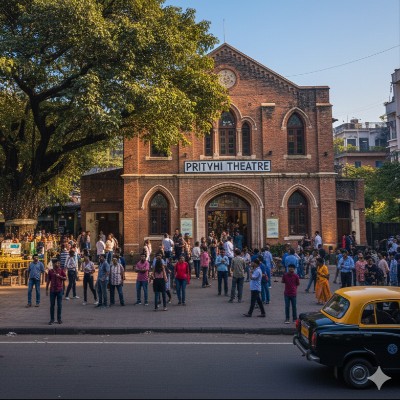
A11: Yes, Mukteshwar Temple (Juhu) is often visited along with nearby attractions such as ISKCON Temple, Juhu, Juhu Beach, and Prithvi Theatre, making it ideal for a combined cultural and spiritual visit.
Q12: Is photography allowed inside Mukteshwar Temple (Juhu)?
A12: Photography inside Mukteshwar Temple (Juhu) may be restricted in prayer areas. Visitors are advised to follow temple guidelines and avoid photography near the main sanctum and active worship zones.
Q13: Is Mukteshwar Temple (Juhu) open every day?
A13: Yes, Mukteshwar Temple (Juhu) is open every day for devotees and visitors. The temple welcomes people for daily prayers, darshan, and personal worship throughout the week.
Q14: Does Mukteshwar Temple (Juhu) have any dress code?
A14: While there is no strict dress code at Mukteshwar Temple (Juhu), visitors are advised to dress modestly and respectfully, keeping in mind the religious and spiritual nature of the temple.
Q15: How much time is required to visit Mukteshwar Temple (Juhu)?
A15: A typical visit to Mukteshwar Temple (Juhu) takes around 30 to 45 minutes, depending on crowd levels and the time spent offering prayers across different floors of the temple.
Q16: Is Mukteshwar Temple (Juhu) suitable for a family visit?
A16: Yes, Mukteshwar Temple (Juhu) is suitable for a family visit. The calm environment, organised premises, and spiritual atmosphere make it welcoming for visitors of all age groups.
Q17: Does Mukteshwar Temple (Juhu) have parking facilities?
A17: Mukteshwar Temple (Juhu) does not have dedicated parking within the premises, but limited roadside parking and nearby paid parking options are available in the surrounding Juhu and Vile Parle West area.